 Surface texture · Varen
THE MATERIAL EDIT
Afrina selection / Varen
Pietra Grey / Lashotor Marble Varen
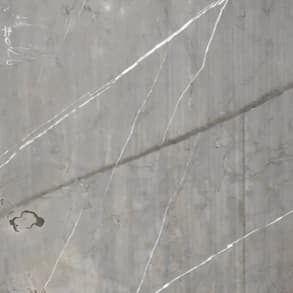
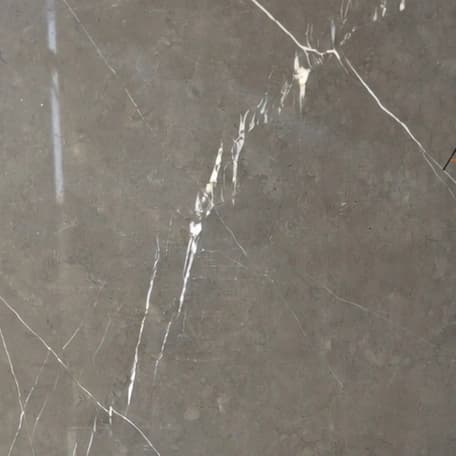
Varen reveals a warmer grey-to-taupe field with longer bright vein strokes and occasional crossing lines. Five videos and multiple photographs show this Lashotor marble from different viewpoints, allowing the visual range to be assessed in context.
Compare warmth and vein placement across complete pieces. Plan intersections carefully where the drawing needs to continue through corners, stair elements or adjacent panels.
Enquire about this selectionPhotographs show appearance, not tested performance. Confirm available formats, finishes, quantities and suitability using the actual sample, batch and project requirements.
Pietra Grey / Lashotor Marble
Known internationally as Pietra Grey and in Iran as Lashotor, this marble combines a grey-to-charcoal ground with contrasting pale veins. The two Afrina selections reveal different warmth and vein intensity, allowing a more deliberate match to an interior palette.
From stone to architecture
Explore entrance floors, feature walls, stair compositions and statement furniture surfaces. View complete pieces to plan vein direction and junctions; a small sample cannot describe the full drawing.
Selection & care
Marble can be etched by acids. Countertop, table and basin references need care and use requirements assessed for their setting.
Faces, edges & surface detail
Explore every view. Tap to enlarge; swipe or use the arrows to compare. Pinch to inspect details.
Surface under reflected light
Bright window shapes are reflected on the stone; these shapes are not its natural veins.
Separate reflected windows, people and surrounding structures from the stone's own pattern. Review the same surface in diffuse light and confirm the requested finish with a sample.
Face and vein direction
A longer vein can be followed across the face alongside finer lines.
Read the pattern across the visible face and compare where lines enter and leave each piece. Plan the cutting direction from the approved slabs rather than expecting identical panels.
Pieces in sequence
Pale veins cross the grey field at several angles rather than following one repeated line.
Compare neighbouring pieces for changes in tone and pattern. Agree the selection range and panel sequence before cutting; the photograph does not establish current stock or quantities.
Face and vein direction
Warm grey and cream tones become more noticeable in this lighting and viewpoint.
Read the pattern across the visible face and compare where lines enter and leave each piece. Plan the cutting direction from the approved slabs rather than expecting identical panels.
Grain and surface detail
Bright intersecting veins stand out strongly against the darker face.
Enlarge this view to compare the density of small markings and the spacing of veins. A close view describes appearance; it does not establish absorption, strength or slip resistance.
Appearance varies with light, viewing angle and individual pieces. Confirm the actual batch and finish with a physical sample.
See the stone in motion
A moving view of the photographed selection. Pause, scrub and compare the visible surface and edges with the still photographs before discussing the actual batch.
From stone to architecture
Explore every view. Tap to enlarge; swipe or use the arrows to compare. Pinch to inspect details.
Application references for this stone family. Colour, veining and layout vary with the chosen material; these images do not identify a particular selection or an Afrina-supplied project.
Steps and stone continuity
Treads, risers and adjoining surfaces show how separate stone pieces form a continuous route. Confirm edge details, dimensions, drainage where relevant and slip requirements for the actual finish.
Wall planes and vein alignment
Large stone panels create a clear wall plane, with joints becoming part of the composition. Compare vein alignment, lighting and nearby materials; confirm the actual panel layout and fixing system for the project.
A veined stone table
The tabletop places bright veins against a darker field, framed by warm wood and seating. Review vein direction, edge profile and support design; the photograph does not establish stain or acid resistance.
Circulation, light and floor pattern
The passage shows how floor movement, wall planes and reflected light shape depth. Compare the visual rhythm and transitions, then specify actual finish, cleaning and wet-use requirements for the chosen stone.
Basin, edges and dark stone
The angular basin combines dark veined faces with lighter surrounding surfaces. Study corners, joints and the relationship to the tap; assess water exposure, cleaning and fabrication details before specification.
Application references for this stone family. Colour, veining and layout vary with the chosen material; these images do not identify a particular selection or an Afrina-supplied project.
Plan your material order
Approve the actual material and finish, including visible natural variation, before fabrication. Ask for dimensions and available quantities rather than treating the photographs as a live stock list.
Share your application, preferred finish, dimensions, quantity and destination. Request current material photographs and a sample before confirming the order.