 Surface texture · Veltrax
THE MATERIAL EDIT
Afrina selection / Veltrax
Nehbandan Granite Veltrax
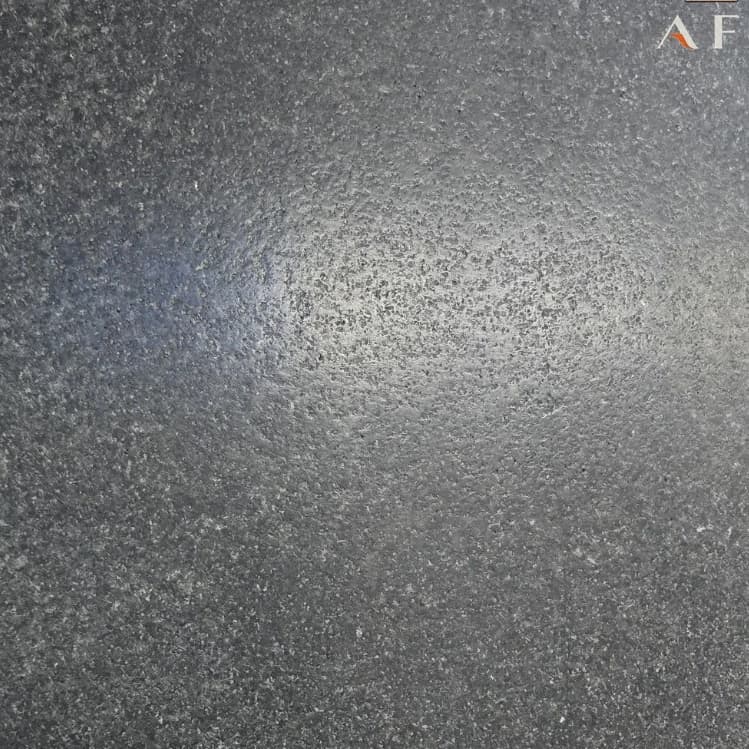
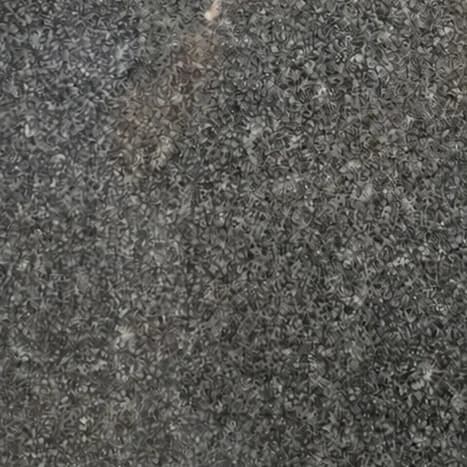
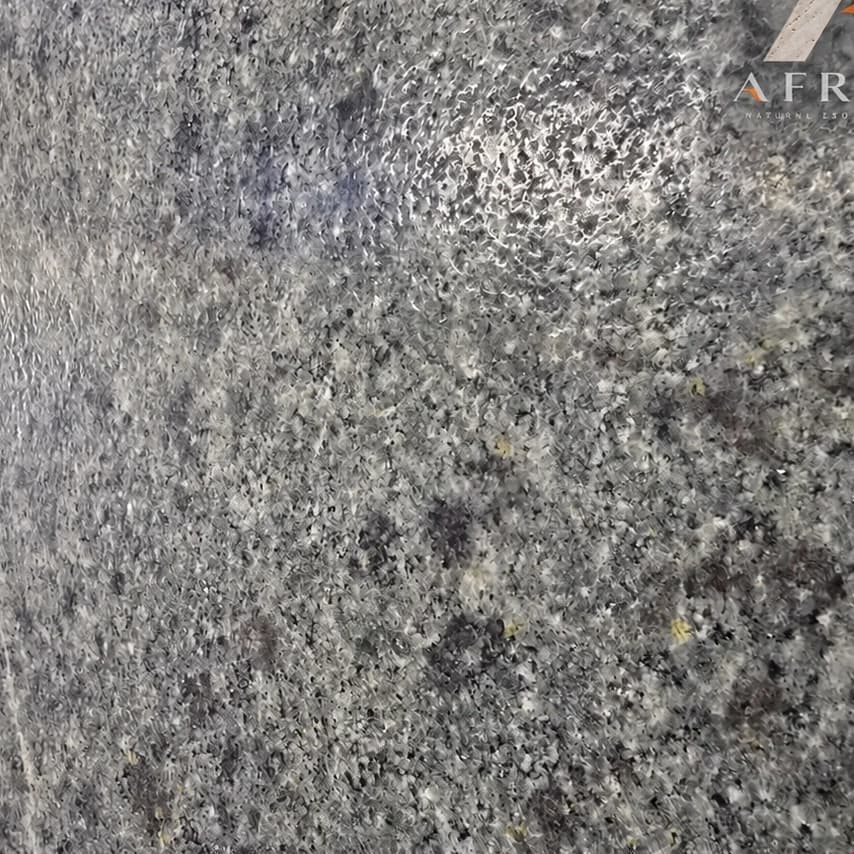
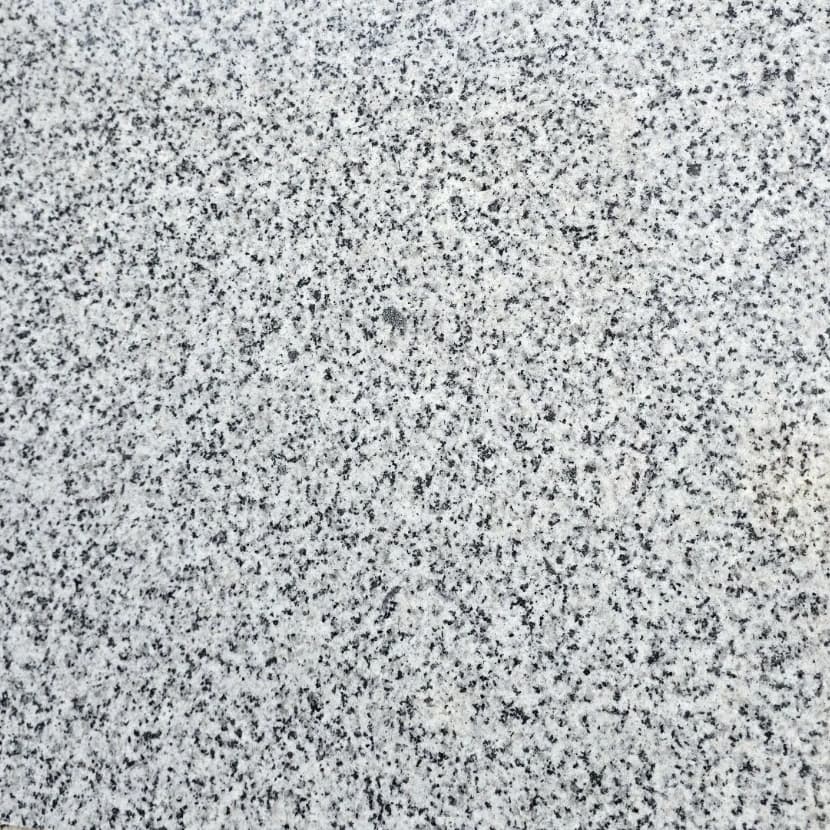
Veltrax has a lighter salt-and-pepper appearance within the Nehbandan granite group. Multiple face, edge and joint views offer useful visual context for comparing the supplied pieces and their presentation from different angles.
Use the dedicated stone views for selection approval. The photograph containing mixed samples is a comparison context, not a claim that every sample shown belongs to Veltrax.
Enquire about this selectionPhotographs show appearance, not tested performance. Confirm available formats, finishes, quantities and suitability using the actual sample, batch and project requirements.
Nehbandan Granite
These five granite selections come from Astan quarry in Nehbandan, South Khorasan, Iran, as confirmed by Afrina Stone. Their grey crystalline fields range from lighter salt-and-pepper patterns to deeper charcoal tones; the selection name identifies the photographed visual character.
From stone to architecture
Consider steps, circulation areas, wall treatments and other architectural surfaces after reviewing the finish and project specification. Compare grain scale and tone across several pieces rather than choosing from a single close-up.
Selection & care
Polish and texture affect grip and appearance. A polished photograph does not establish slip resistance; use compatible neutral maintenance products.
Faces, edges & surface detail
Explore every view. Tap to enlarge; swipe or use the arrows to compare. Pinch to inspect details.
Side-by-side comparison
Straight horizontal joints divide the visible panels; they are distinct from the granular stone pattern.
Look at the transition between adjacent faces, including the spacing and direction of markings. Discuss continuity and acceptable variation with the actual pieces selected for the project.
Face and vein direction
Straight horizontal joints divide the visible panels; they are distinct from the granular stone pattern.
Read the pattern across the visible face and compare where lines enter and leave each piece. Plan the cutting direction from the approved slabs rather than expecting identical panels.
Grain and surface detail
Closely spaced grains give the face a finely speckled appearance.
Enlarge this view to compare the density of small markings and the spacing of veins. A close view describes appearance; it does not establish absorption, strength or slip resistance.
Oblique view of the face
Reflections cross the photographed face and change its apparent brightness.
The angled view makes light and perspective more apparent. Compare it with the front view to assess visual variation; photographed proportions are not confirmed dimensions.
Face and vein direction
The lighter grey field reveals fine, densely distributed darker grains.
Read the pattern across the visible face and compare where lines enter and leave each piece. Plan the cutting direction from the approved slabs rather than expecting identical panels.
Side-by-side comparison
Adjacent faces read differently in tone under the same photographed lighting.
Look at the transition between adjacent faces, including the spacing and direction of markings. Discuss continuity and acceptable variation with the actual pieces selected for the project.
Face and exposed edges
Exposed edges and the main face can be compared within the same frame.
Use the visible edge and neighbouring pieces to understand the photographed format. Confirm thickness, tolerances, edge treatment and dimensions separately before approving an order.
Face and vein direction
Small lighter grains remain visible within the darker grey field.
Read the pattern across the visible face and compare where lines enter and leave each piece. Plan the cutting direction from the approved slabs rather than expecting identical panels.
Surface comparison samples
A display of small pieces places light, medium and darker stone appearances side by side.
The small pieces show several visual readings together. Identify the exact sample and requested finish in your enquiry; neighbouring samples are not automatically part of this selection.
Appearance varies with light, viewing angle and individual pieces. Confirm the actual batch and finish with a physical sample.
See the stone in motion
A moving view of the photographed selection. Pause, scrub and compare the visible surface and edges with the still photographs before discussing the actual batch.
From stone to architecture
Explore every view. Tap to enlarge; swipe or use the arrows to compare. Pinch to inspect details.
Application references for this stone family. Colour, veining and layout vary with the chosen material; these images do not identify a particular selection or an Afrina-supplied project.
Stone in the kitchen composition
The worktop and wall surfaces reveal how the stone interacts with cabinetry and lighting. Use the reference for composition; assess spills, care, joint positions and the selected material's working-surface requirements separately.
Steps and stone continuity
Treads, risers and adjoining surfaces show how separate stone pieces form a continuous route. Confirm edge details, dimensions, drainage where relevant and slip requirements for the actual finish.
Light stone and dark openings
The facade combines pale stone planes with darker window bands. Study panel rhythm, corners and joint alignment; this image does not establish anchorage design or climate suitability.
Steps and stone continuity
Treads, risers and adjoining surfaces show how separate stone pieces form a continuous route. Confirm edge details, dimensions, drainage where relevant and slip requirements for the actual finish.
Application references for this stone family. Colour, veining and layout vary with the chosen material; these images do not identify a particular selection or an Afrina-supplied project.
Plan your material order
Discuss dimensions, edge treatment, quantity and destination with the export team. For exterior or cold-climate work, request relevant batch evidence and have the proposed finish and installation assessed.
Share your application, preferred finish, dimensions, quantity and destination. Request current material photographs and a sample before confirming the order.